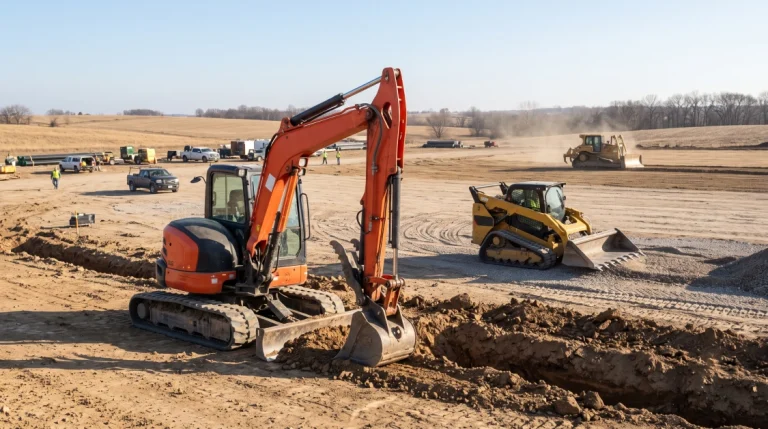
Earthmoving projects in Iowa depend heavily on machine sizing, subsoil conditions, and tight project schedules. A utility crew laying rural fiber through clay needs a completely different iron package than a general contractor cutting pad elevations for an industrial facility in Council Bluffs. Renting earthmoving machinery gives contractors the freedom to pick the exact tonnage, track configuration, and horsepower needed for each phase without taking on fleet ownership debt.
Matching machines to actual dirt conditions prevents costly delays, track spin, and subgrade failures. This guide evaluates how to select and deploy excavators, dozers, compactors, concrete equipment, and skid loaders across Midwestern job sites.
How Do You Select the Right Excavator for Your Job Site?
Selecting the right excavator requires balancing digging depth, machine weight, and swing clearance against the site limits. Putting a heavy standard excavator on wet topsoil leads to rutting and track damage, while digging deep footings with an undersized mini excavator slows cycle times to a crawl.
Our line of excavator rentals covers everything from residential utility trenching to heavy infrastructure dirt work:
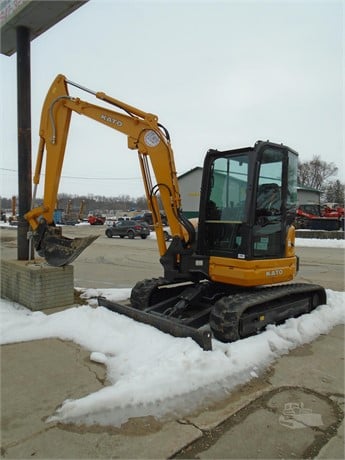
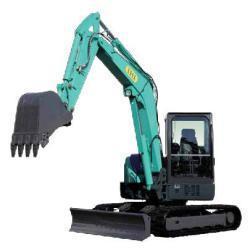
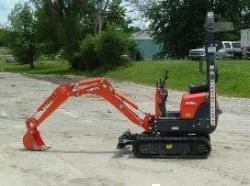
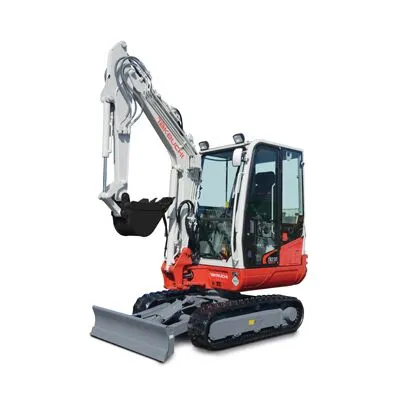
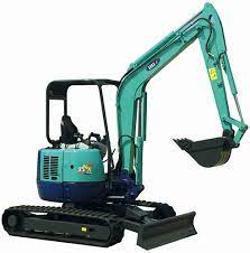
- Ultra-Compact Mini Excavators (2,200 lbs to 6,000 lbs): A 2,200 lb mini excavator maneuvers through backyard gates, foundation walls, and narrow alleys. When utility trenching requires additional hydraulic breakout, stepping up to a 6,000 lb mini excavator provides reliable depth for water lines and electrical conduits without tearing up existing concrete curbs.
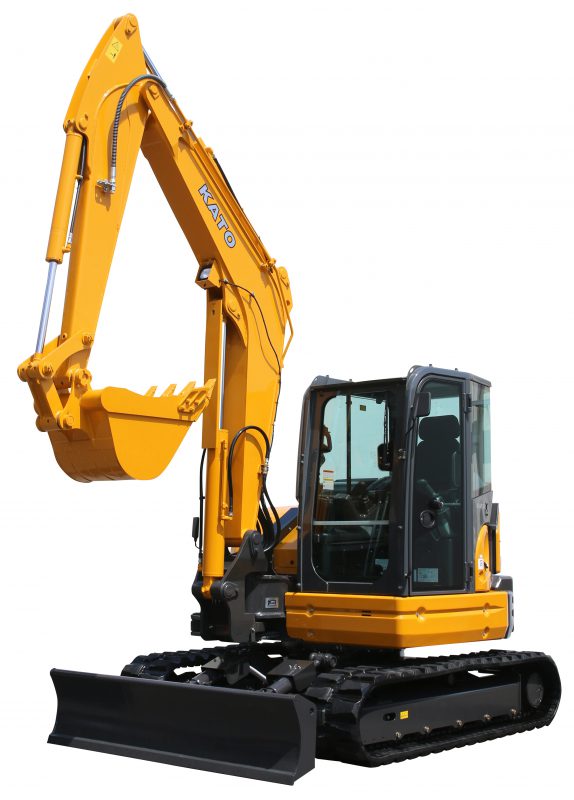
- Mid-Sized Mini Excavators (8,000 lbs to 12,000 lbs): Available in both open station and enclosed cab setups. An 8,000 lb mini excavator open station provides quick visibility for landscape grading and drainage work. Upgrading to an 8,000 lb or 12,000 lb mini excavator with an enclosed cab keeps operators productive through Midwest winter freezes and summer heat. The 12,000 lb mini excavator open station delivers high hydraulic flow for heavy attachments while giving the operator direct line of sight to ground workers.
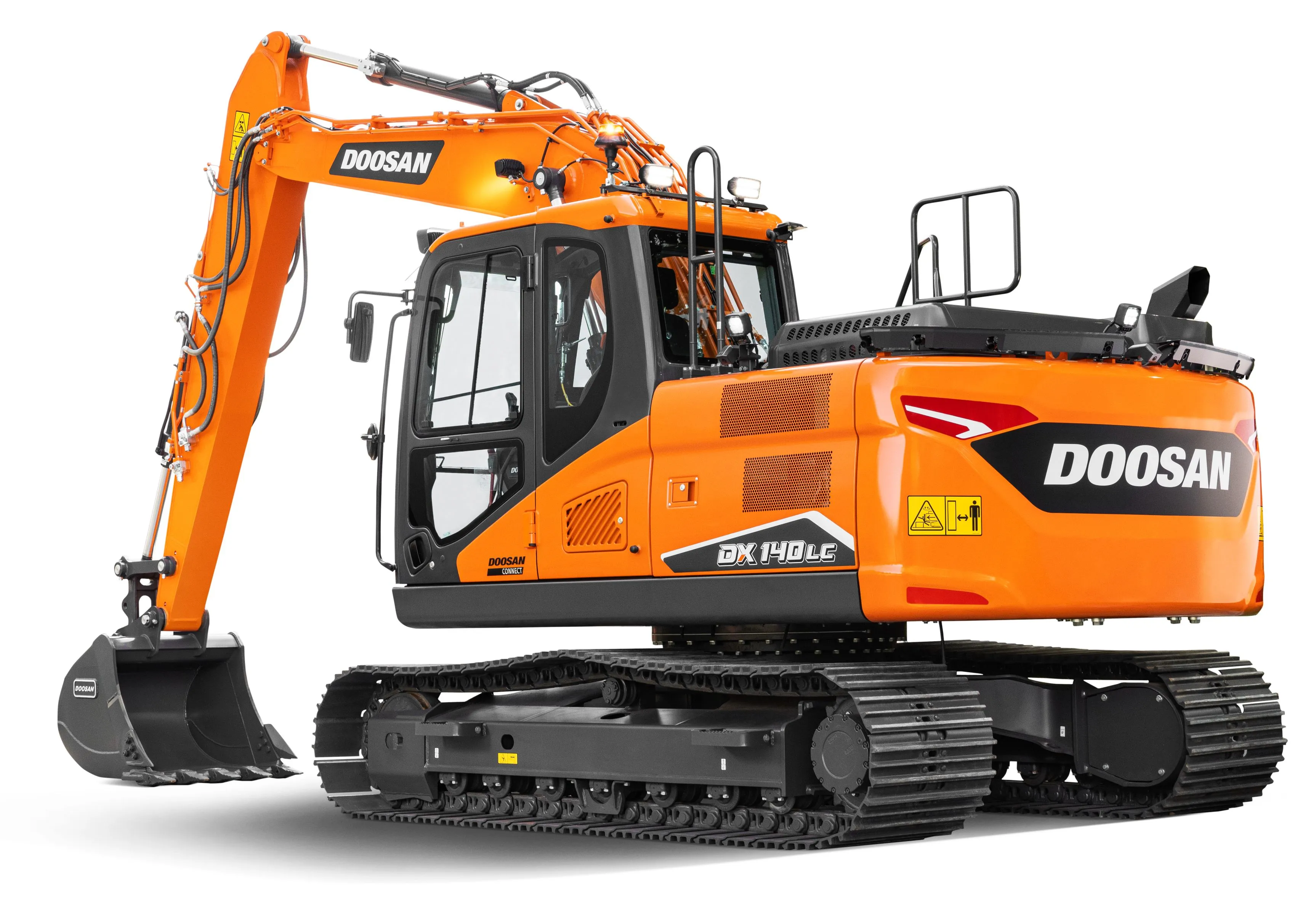
- Heavy and Full-Size Diggers (18,000 lbs and Full Size): An 18,000 lb excavator with cab provides the stability needed for deep sanitary sewer taps and basement excavation. For large commercial civil jobs, road reconstruction, and massive pond builds, full-size excavators deliver the breakout force and bucket capacity required to clear hundreds of yards per shift.
Excavator Rentals
When Does Your Project Require a Crawler Dozer?
A crawler dozer is necessary when your project involves bulk earthmoving, subgrade leveling, cutting road ditches, and rough pad grading across large acreages. While excavators excel at digging holes and trenches, dozers use heavy tractive force and wide blades to push mass volumes of dirt and establish engineered contours.
Renting a dedicated crawler dozer keeps mass grading on schedule:
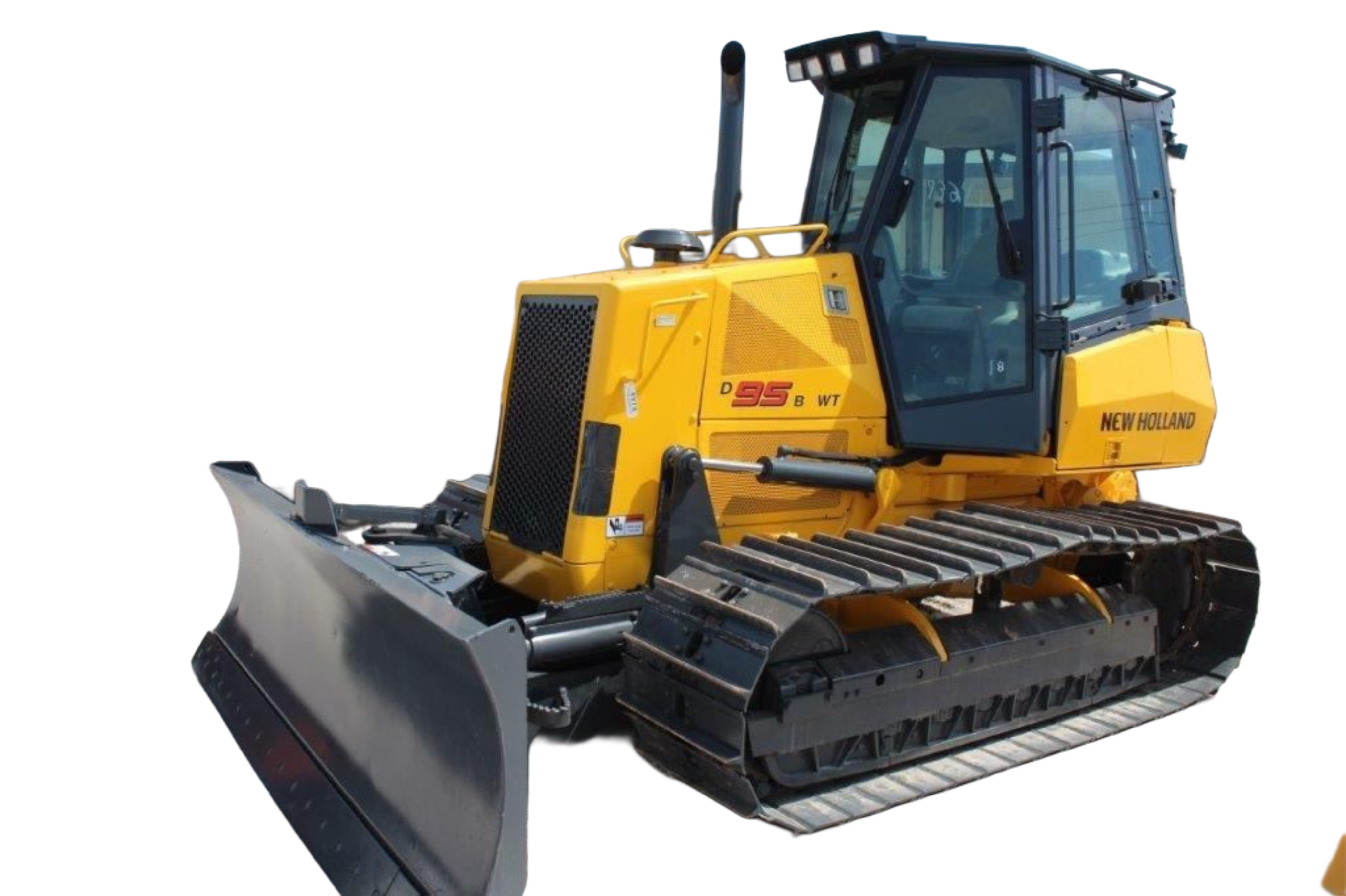
- Low Ground Pressure Flotation: The New Holland D95 LGP features extra-wide tracks engineered specifically for soft subgrade, marshy ground, and wet Iowa clay. The Low Ground Pressure undercarriage distributes operating weight over a wide footprint, preventing the tracks from burying the machine while cutting slopes or pioneering access roads.
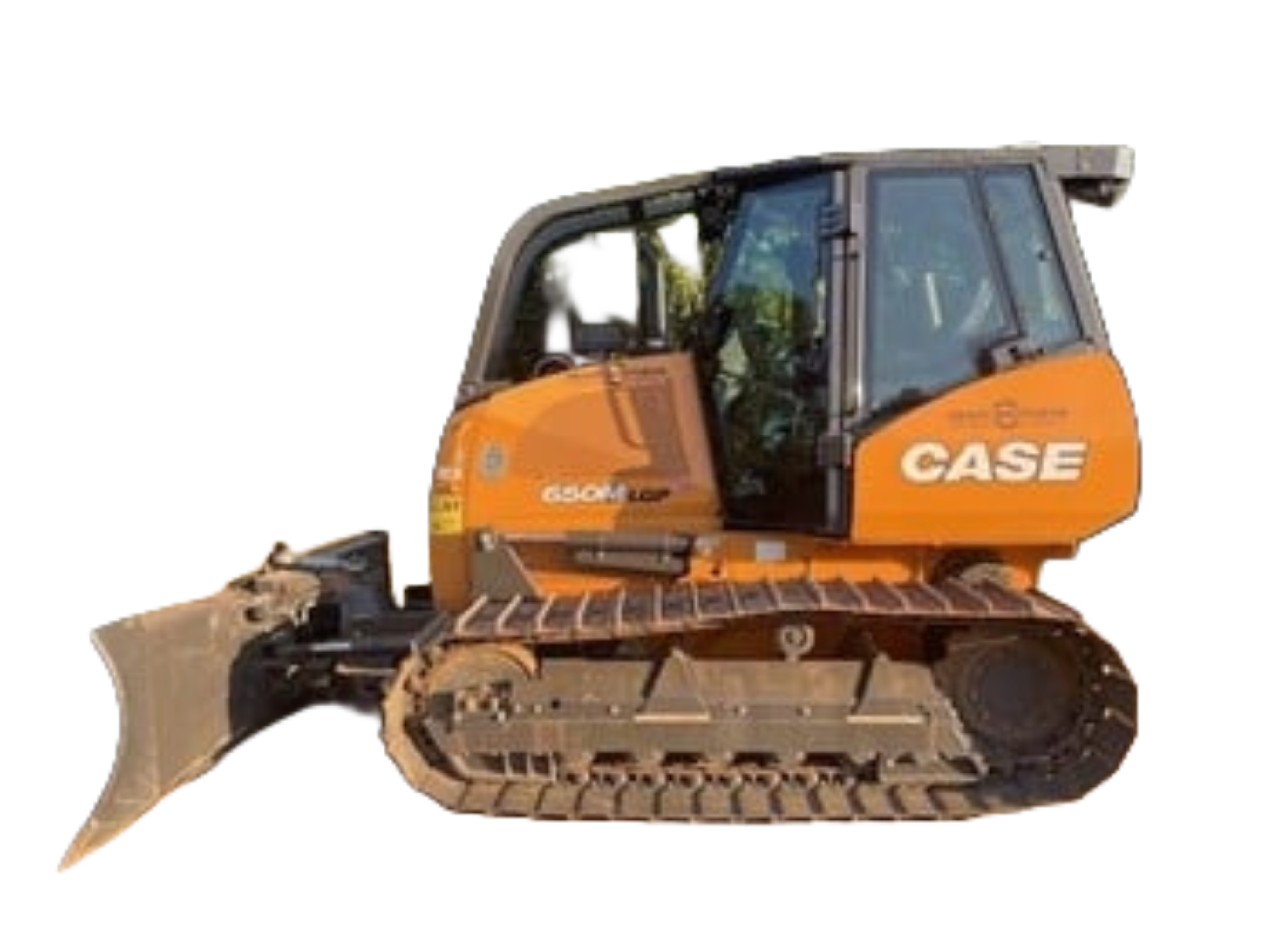
- High-Production Site Levelling: The CASE 650K 2LT crawler dozer delivers responsive blade hydraulics and heavy tractive push for structural building pads, parking lot sub-bases, and commercial lot clearing. Its long track undercarriage provides the stability needed to hold tight grade tolerances when cutting sub-base gravel.
Dozer Rentals
What Soil Compactor Is Required to Meet Subgrade Engineering Specs?
The soil compactor required for your site depends on whether you are working with cohesive clay, free-draining granular sand, or structural aggregate base. Failing a nuclear density test ruins project profitability by forcing crews to peel up lifts and re-compact the subgrade.
Contractors rely on our diverse compactor fleet to hit compaction density on every lift:
| Compaction Equipment | Impact Type | Best Soil Type | Common Site Application |
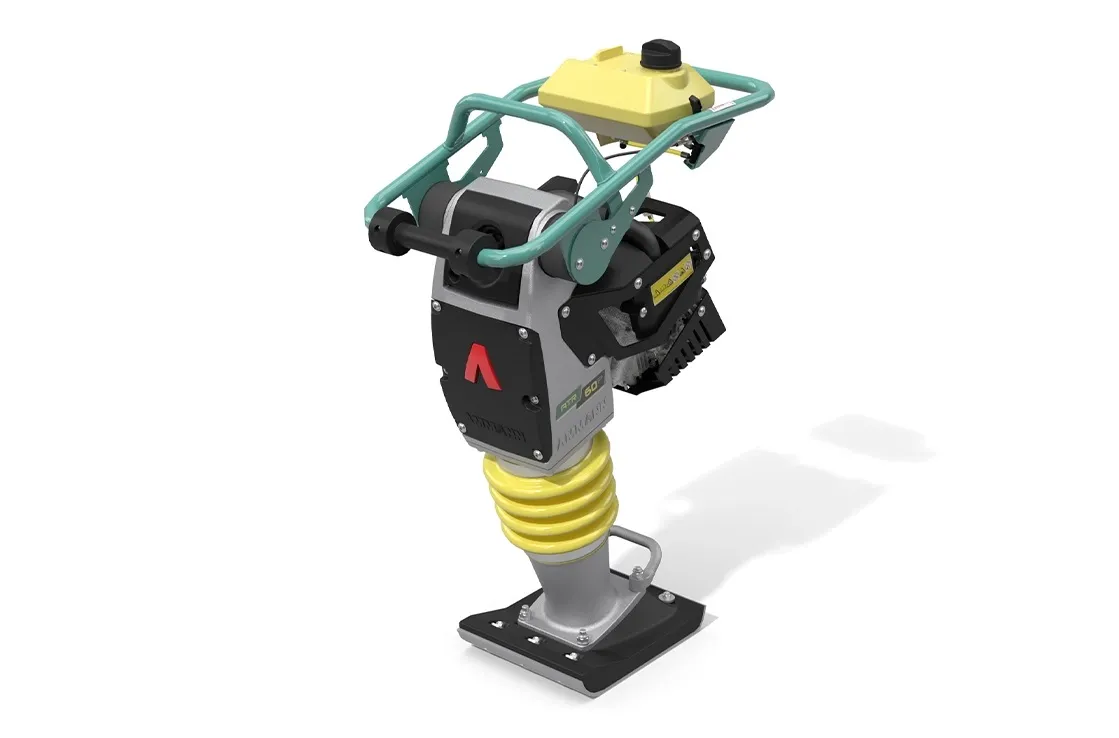
| Jumping Jack Rammer | Direct High-Impact | Cohesive Clay | Narrow utility trenches, around manholes |
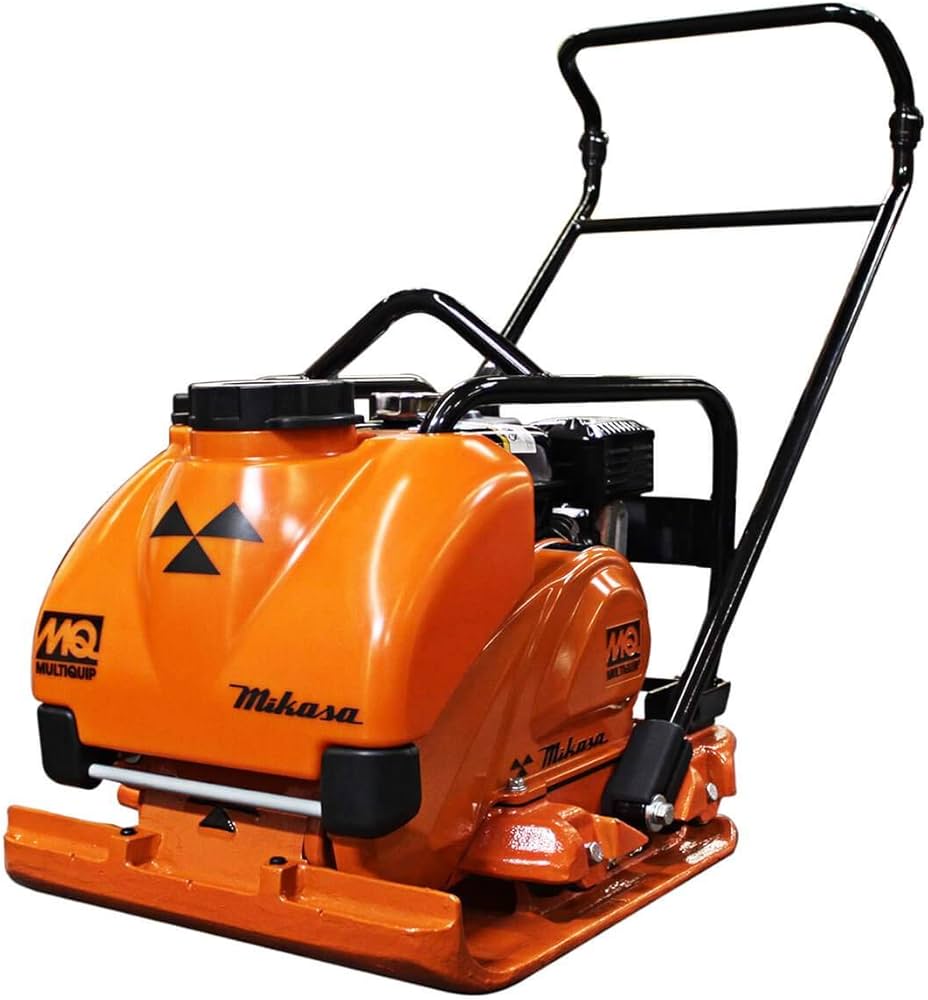
| Forward Plate Compactor | High-Frequency Vibration | Sand, Crushed Stone | Paver bases, sidewalk prep, footing trenches |
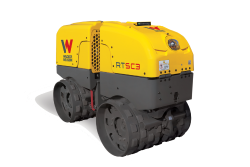
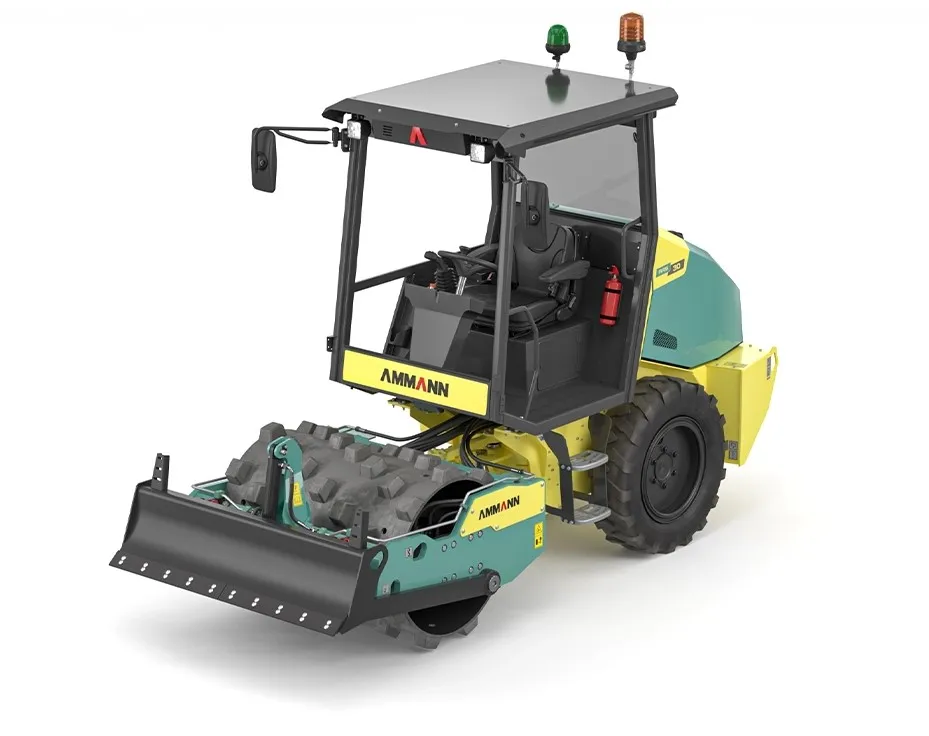
| 32″ Trench Roller | Padfoot Drum / Vibration | Clay, Cohesive Fill | Deep utility ditches, pipeline trench backfill |
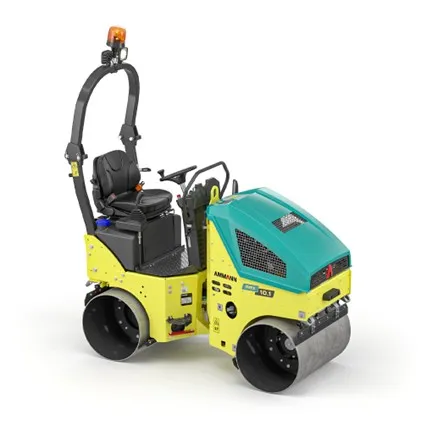
| 36″ Ride-On Double Drum | Dual Steel Drum Vibration | Asphalt, Base Rock | Parking lots, driveway paving, patch repairs |
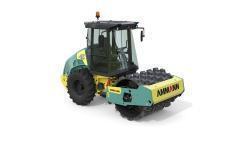
| 54″ Stone Padfoot Compactor | Kneading Padfoot Drum | Heavy Cohesive Soil | Large commercial building pads, bulk fill |
| 16K lb Ride-On Compactor | Heavy Dynamic Vibration | Mixed Subgrade, Sub-base | Civil roadbeds, highway fills, major industrial sites |
A jumping jack rammer delivers the direct downward force needed to consolidate stiff clay around storm drain pipes. For flat granular bedding, a walk-behind plate compactor seats gravel efficiently. When backfilling deep utility trenches where workers cannot safely enter, a 32″ remote trench roller compacts heavy clay lifts safely.
For road sub-bases and commercial pads, our 54″ padfoot compactor breaks down heavy clay lumps, while a 16K lb ride-on roller seals the top lift to pass engineering inspection.
Should You Rent a Tracked Loader, Wheeled Skid Steer, or Mini Track Loader?
Choosing between tracks and wheels comes down to surface conditions, traction needs, and access limits. Tracked machines distribute weight to float over mud and wet ground, while wheeled skid steers offer faster travel speeds and zero tire scrub on dry pavement.
We offer multiple drive setups across our skid steer rentals:
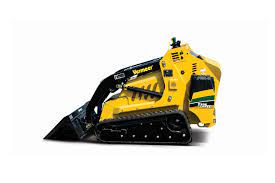
- Stand-on Mini Skid Steers: When access paths are limited to backyard gates or narrow alleys, a stand-on mini skid steer moves materials where standard machines cannot fit. Check our mini track loader inventory for compact units that deliver high hydraulic flow for trenchers, augers, and light grapple work.
- Wheeled Skid Steers (7,000 to 8,000 lbs w/ Cab): Wheeled skid steers work best on hard surfaces, asphalt patching, and clean sweep jobs. The wheeled chassis moves quickly across paved areas and eliminates track maintenance costs.
- Compact Track Loaders (6,000 to 10,000 lbs w/ Cab): Tracked skid steers in the 6,000-7,000 lb, 7,000-8,000 lb, and 9,000-10,000 lb classes provide the pushing power and flotation required to keep working through spring mud and loose sand.
- Heavy Track Loaders (10,000 to 14,000 lbs w/ Cab): For high-volume loading, clearing, and grading, browse our heavy-duty track loader line. Our 10,000-11,000 lb, 11,000-12,000 lb, and 13,000-14,000 lb tracked loaders carry heavy pallets, run severe-duty forestry mulchers, and load high-sided tandem dump trucks with ease.
Track Loader Rentals
How Does Dedicated Concrete Equipment Complete the Job?
Dedicated concrete tools complete the build after grading and subgrade compaction are done, providing the machinery required to cut, pour, vibrate, and finish slabs to code. High-strength concrete sets up quickly, meaning contractors must have the right tools ready before the ready-mix trucks arrive.
Our concrete equipment selection supports every stage of the pour:
- Site Transport and Placement: A tracked concrete buggy moves heavy wet mud across rough, unpaved job sites without getting bogged down. When operating over existing pavements or cured garage floors, a concrete buggy with rubber tires transfers wet mix quickly without scuffing finished surfaces.
- Consolidation and Strike-off: Using a powered concrete screed levels the slab rapidly, consolidating the aggregate and pulling excess moisture to the surface far faster than manual screed boards.
- Surface Finishing: For small flatwork, patio pours, and interior basements, a 36″ power trowel delivers a smooth finish. For large commercial warehouse floors and industrial slabs, an 8′ ride-on power trowel covers broad square footage to achieve flat, hard-troweled specifications before the concrete cures.
- Joint Cutting and Demolition: Expansion control requires precise timing. Cut green concrete with a gas 14″ concrete saw or an electric 14″ concrete saw for enclosed spaces. For deep cured joints and highway slab repairs, step up to a walk-behind 18-20″ concrete saw. For retrofits and plumbing tie-ins, our fleet includes core drills and rotary demolition hammers to break through existing foundations cleanly.
Practical equipment safety tips and maintenance walk-throughs are regularly detailed on our rental guide blogs.
Construction Machine Selection Comparison
Evaluating performance specifications side by side clarifies which machine meets your job-site constraints and terrain demands.
| Equipment Category | Size / Class | Primary Capability | Best Surface / Condition | Typical Job Task |
| Mini Excavator | 2,200 to 12,000 lbs | Trenching, utility digging | Confined sites, turf, clay | Footings, electrical lines, water lines |
| Full-Size Excavator | 18,000 lbs to Full Size | High-volume earthmoving | Open sites, rough terrain | Basements, mass excavation, civil pipe |
| Crawler Dozer | 80 to 95 hp | Mass grading, slot dozing | Soft mud, clay, slopes | Site clearing, road building, subgrade pads |
| Soil Compactor | Plate to 16,000 lb Roller | Soil consolidation | Granular sand, clay lifts | Roadbeds, trench backfill, foundation pads |
| Compact Track Loader | 6,000 to 14,000 lbs | Material haul, attachment drive | Mud, soft dirt, slopes | Grading, pallet moving, truck loading |
| Wheeled Skid Steer | 7,000 to 8,000 lbs | Fast site transit, cleanup | Concrete, hard packed rock | Street repairs, sweeping, snow clearing |
Heavy Iron Delivery and Fleet Support Across Iowa
Corning Rental, Sales, & Service operates South Iowa’s largest equipment rental fleet, backed by more than 25 years of hands-on industry support. With four branch stores in Corning, Shenandoah, Glenwood, and Osceola, we provide responsive machinery dispatch across the state.
Our in-house fleet of semi-tractors delivers and picks up equipment within a 250-mile radius of any store location. This heavy hauling reach covers project sites throughout South Iowa, Eastern Nebraska, and Northern Missouri, including Omaha, Council Bluffs, Des Moines, and Kansas City.
Every piece of iron is maintained and inspected by certified mechanics before leaving our yard. If your operators are running a new machine control pattern, our transport drivers provide on-site machine familiarization to ensure your team works safely and productively from day one.
Reserve your earthmoving machinery online 24/7 or contact your nearest Corning Rental branch for experienced equipment advice.
Compactor Rentals
Frequently Asked Questions
How do I choose between a compact track loader and a wheeled skid steer in Iowa?
Choose a compact track loader if you are working on wet Iowa clay, uncompacted dirt, sand, or slopes, because rubber tracks distribute the machine weight and maintain traction without rutting. Choose a wheeled skid steer if your project is on hard, cured surfaces like concrete, asphalt, or packed gravel where fast transit speeds are required and tire wear is minimal.
What is the advantage of renting a Low Ground Pressure dozer like the New Holland D95 LGP?
A Low Ground Pressure dozer features wider track shoes that distribute the machine’s operating weight across a much larger surface area. This configuration allows the dozer to maintain blade push and avoid getting bogged down in soft, muddy, or uncompacted subgrade where standard track shoes would sink.
What is the difference between a padfoot compactor and a smooth drum roller?
A padfoot compactor uses tapered steel lugs that penetrate and knead cohesive, clay-heavy soils to remove air pockets deep within the lift. A smooth drum roller uses high-frequency surface vibration to consolidate granular materials like crushed stone, gravel, sand, and asphalt top layers.
How far does Corning Rental deliver excavators, dozers, and compactors?
Corning Rental provides heavy equipment delivery and pickup within a 250-mile radius from its four store locations in Corning, Shenandoah, Glenwood, and Osceola, Iowa. This service area includes Omaha, Council Bluffs, Des Moines, Lincoln, and northern Missouri locations.
Can mini excavators and compact track loaders run hydraulic concrete breakers and augers?
Yes. Our rental excavators and track loaders come equipped with standard auxiliary hydraulic circuits designed to power high-flow attachments like hydraulic breakers, post-hole augers, trenchers, and grapples. Be sure to confirm hydraulic flow requirements with our rental desk to ensure proper machine pairing.