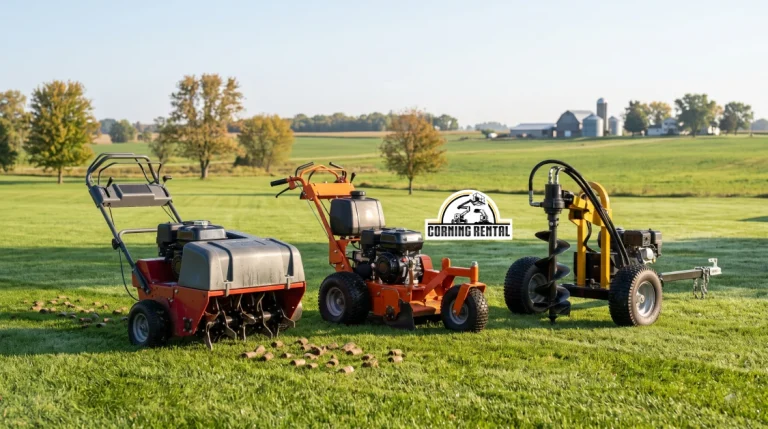
Seasonal turf renovation and groundskeeping require commercial-grade equipment capable of handling Midwest clay, compacted topsoil, and shifting weather windows. Buying specialized turf equipment ties up thousands of dollars in machines that sit idle for ten months of the year, taking up floor space and incurring off-season repair costs. Renting gives landscaping contractors, municipal crews, property managers, and homeowners access to high-performance machines built to finish jobs quickly without ongoing ownership expenses.
Planning turf care around Iowa’s wet springs and hot late summers requires pairing your job tasks with the proper machine class. Whether you are stripping turf for a hardscape patio, aerating athletic fields, or drilling fence posts, exploring our lawn and garden rentals ensures you deploy the right tools for the soil conditions you face.
Why Is Soil Aeration Vital for Iowa Lawns and Pastures?
Core aeration is essential for Iowa turf because it mechanically pulls soil plugs to relieve heavy compaction, improve root-zone oxygenation, and break up dense thatch layers. Thick clay soils across southern Iowa consolidate naturally under foot traffic and equipment loads, starving root systems of water, lime, and vital nutrients.
Selecting the right machine from our lawn care inventory depends on project scale, acreage, and landscape access:
- Walk-Behind Self-Propelled Aerators: Compact and maneuverable, a self-propelled walk-behind lawn aerator handles residential backyards, fenced perimeters, and tight turf zones where towable machines cannot turn. Its weighted core tines punch consistent soil plugs through dry clay without manual downpressure.
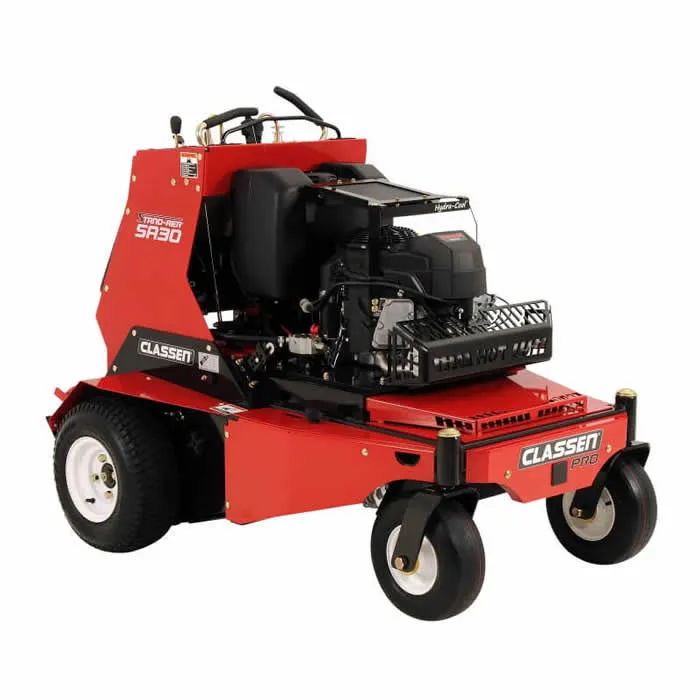
- 30″ Ride-On Aerators: Commercial landscapers and property maintenance crews turn to a 30″ ride-on aerator to cover multi-acre turf complexes, school grounds, and sports fields. The hydraulic tine lift and zero-turn agility double your square footage output per hour, cutting operator fatigue on long work days.
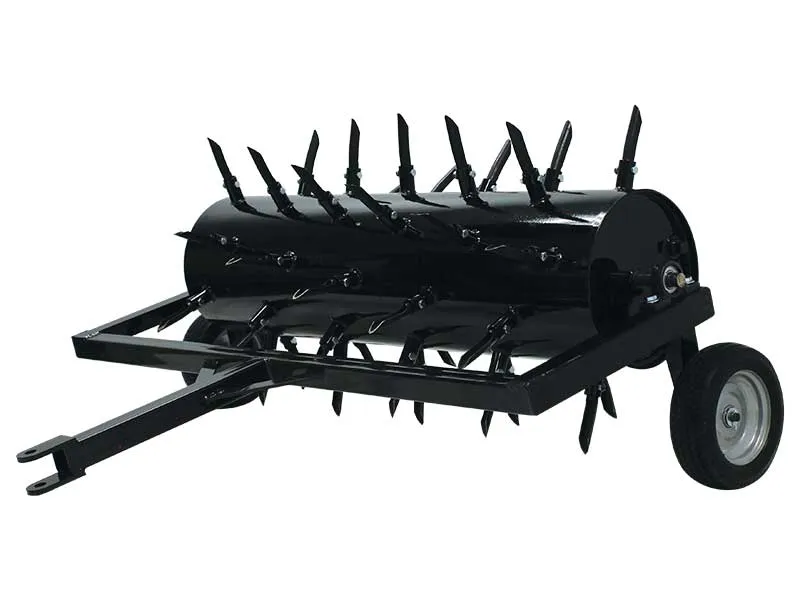
- 48″ Towable Plug Aerators: Equipped with a standard 2-inch ball or half-inch pin hitch, a 48″ towable plug aerator hitches behind a riding mower, utility vehicle, or compact tractor. It provides high-speed soil pulling over broad residential lawns, acreages, and community parks.
Lawn GardenCare Rentals


How Do You Choose Between Dethatching, Overseeding, and Sod Removal?
Choosing between dethatching, overseeding, and sod removal comes down to your lawn’s baseline health and whether you are rejuvenating an existing stand or starting fresh. Removing dead organic matter and overseeding thin grass revitalizes established turf, while installing new drainage, edging, or patio pavers requires stripping sod down to bare subgrade.
| Turf Renovation Task | Recommended Machine | Operational Function | Best Season |
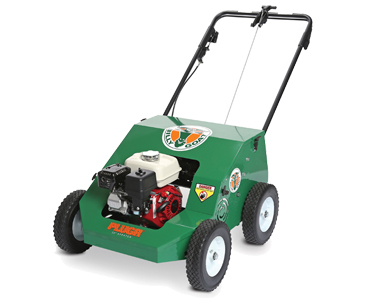
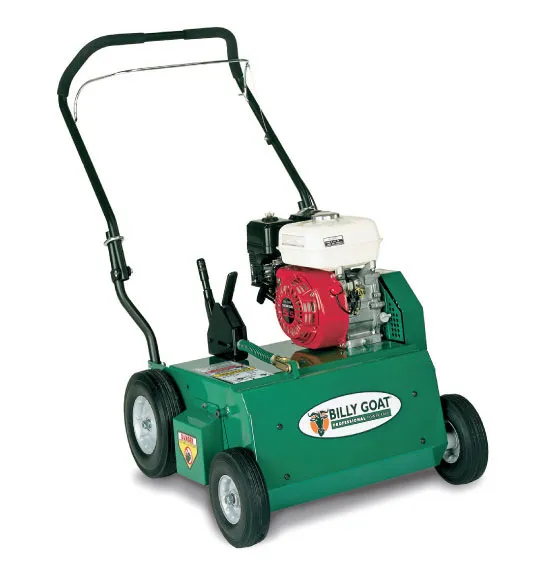
| Thatch Removal | Walk-Behind Power Rake | Steel flails lift packed moss and dead organic matter | Spring / Early Fall |
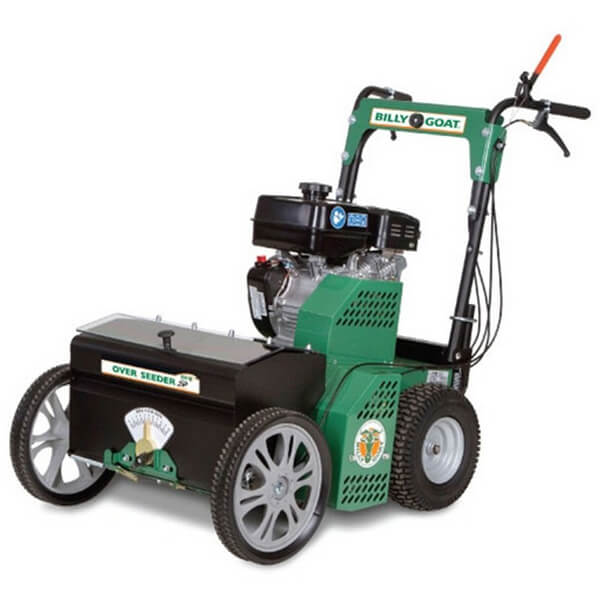
| Turf Renovation | Walk-Behind Overseeder | Slits soil grooves and drops seed at measured depths | Late Summer / Early Fall |
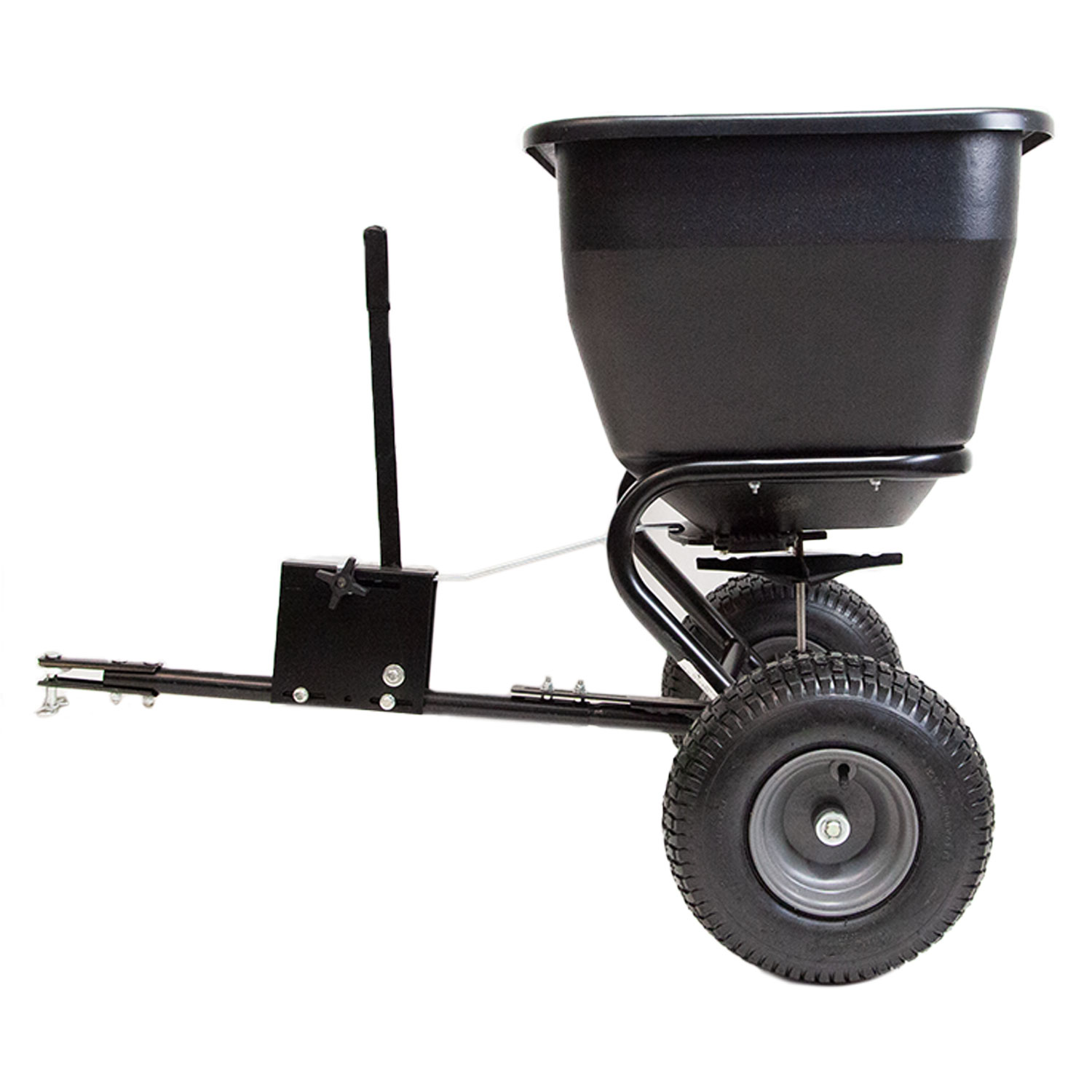
| Seed & Fertilizer Spreading | Towable Broadcast Seeder 175# | Wide distribution of granular turf seed and fertilizer | Early Spring / Fall |
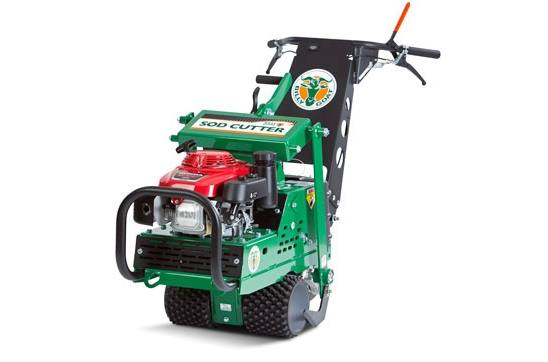
| Sod Removal | Dedicated Sod Cutter | Adjustable blade shears grass roots below the soil line | Spring / Fall |
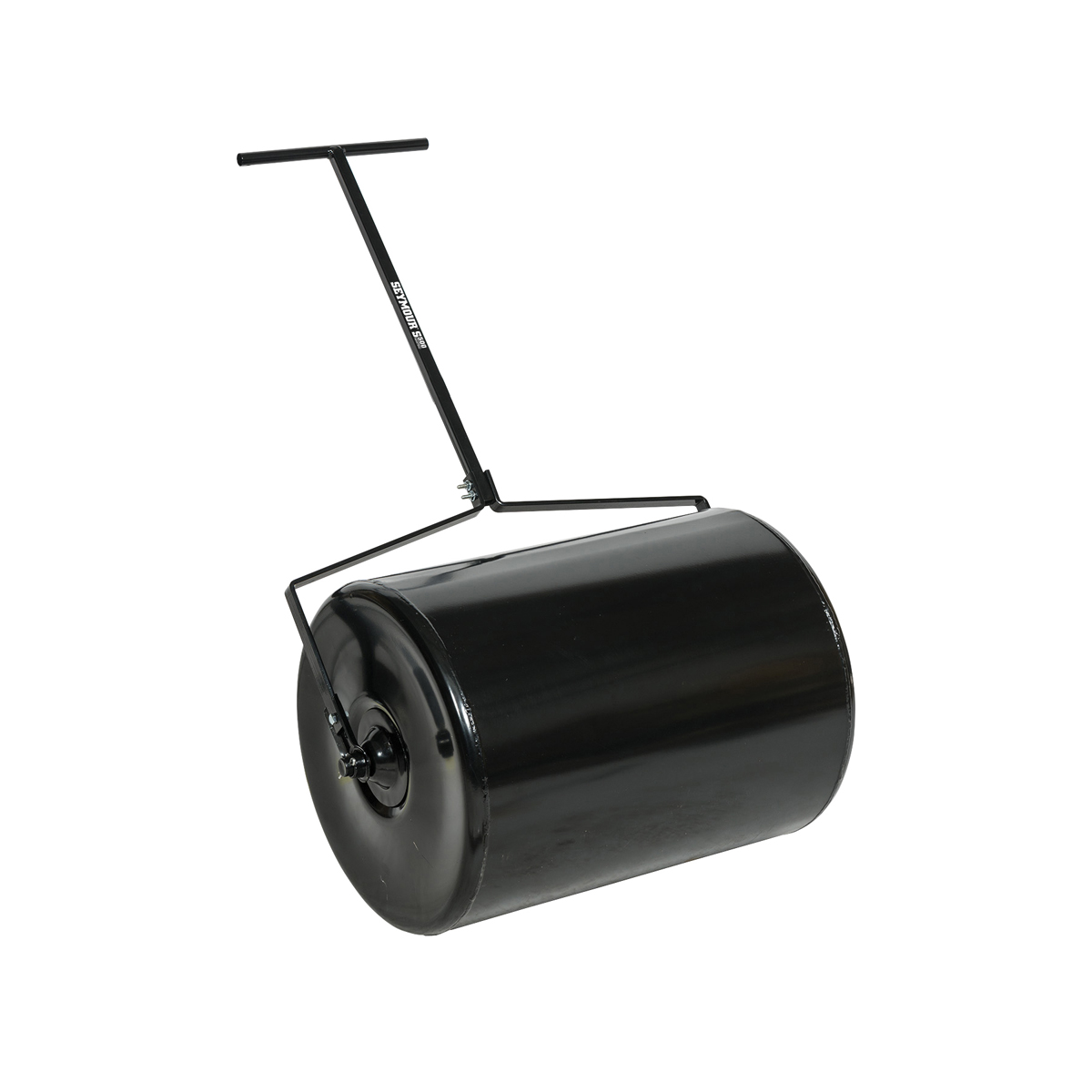
| Turf Bed Packing | Steel Lawn Roller | Consolidates fresh seedbeds and seats new sod rolls | Spring / After Laying Sod |
A walk-behind lawn power rake removes dead grass layers that choke water penetration. Follow that pass with a walk-behind overseeder, which cuts precise seed furrows directly into the soil to ensure seed-to-soil contact instead of letting seed sit exposed on top of the thatch. For acreage plots, a towable 175-pound broadcast seeder covers broad swaths behind your ATV or mower.
When you need to remove old turf completely, an engine-driven sod cutter slices clean, uniform sod strips that roll up easily for disposal or immediate transplanting. After laying fresh sod rolls or broadcast seed, a water-ballast steel lawn roller packs the soil firmly, eliminating air pockets that dry out tender root systems.
Lawn Care Rentals
What Tools Are Best for Earth Drilling and Bed Preparation?
Preparing garden beds, drilling post holes, and trenching utilities require equipment engineered to cut through dense roots and rock-packed Midwest subsoil. Digging post holes by hand with a shovel or clamshell digger is backbreaking work that stalls progress on large fencing runs.
Our miscellaneous lawn & garden equipment category includes dedicated digging and trenching machinery:
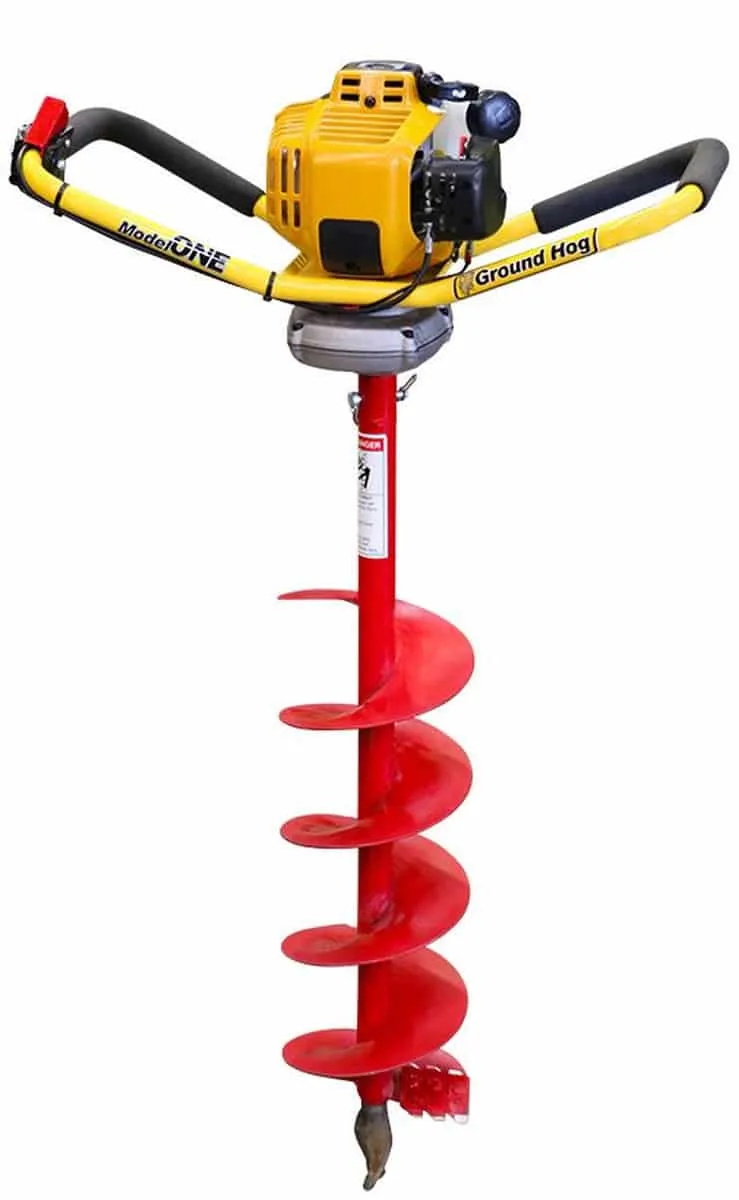
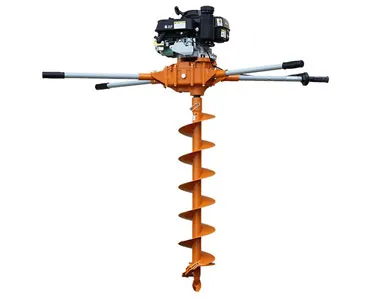
- One-Man and Two-Man Augers: A one-man auger provides lightweight agility for small garden plantings and mailbox posts, while a two-man earth auger delivers the torque needed to cut through stubborn roots and packed gravel without throwing the operator off balance.
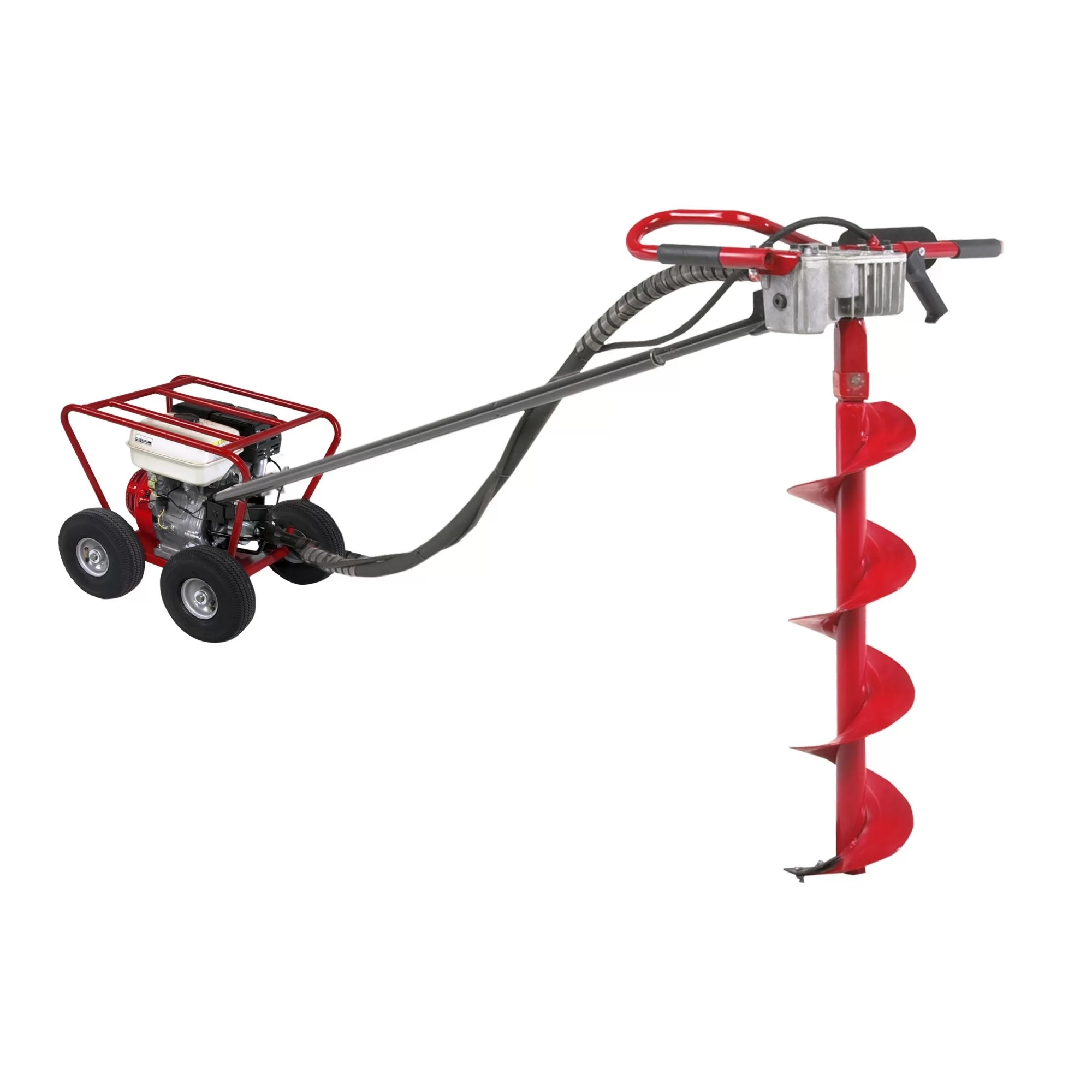
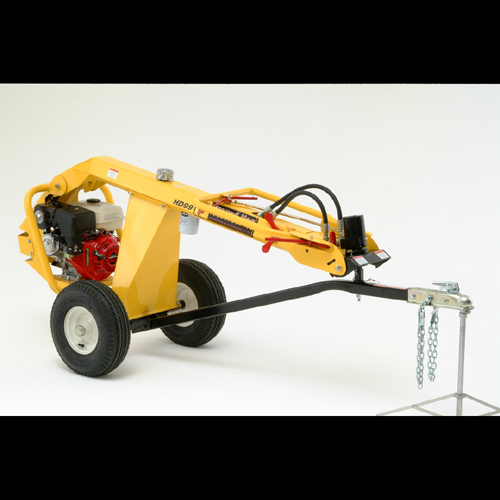
- Towable Gas Augers (4″, 6″, 10″): For extended farm fence lines and structural pole setups, a towable gas auger with 4-inch, 6-inch, and 10-inch bits uses a rigid trailer frame to absorb drilling torque, saving crew stamina on repetitive digs.
- Little Beaver Post Hole Digger: Known for high bit speed and manageable operation, the Little Beaver mechanical digger drills clean, straight holes close to existing structures, foundations, and mature root zones.
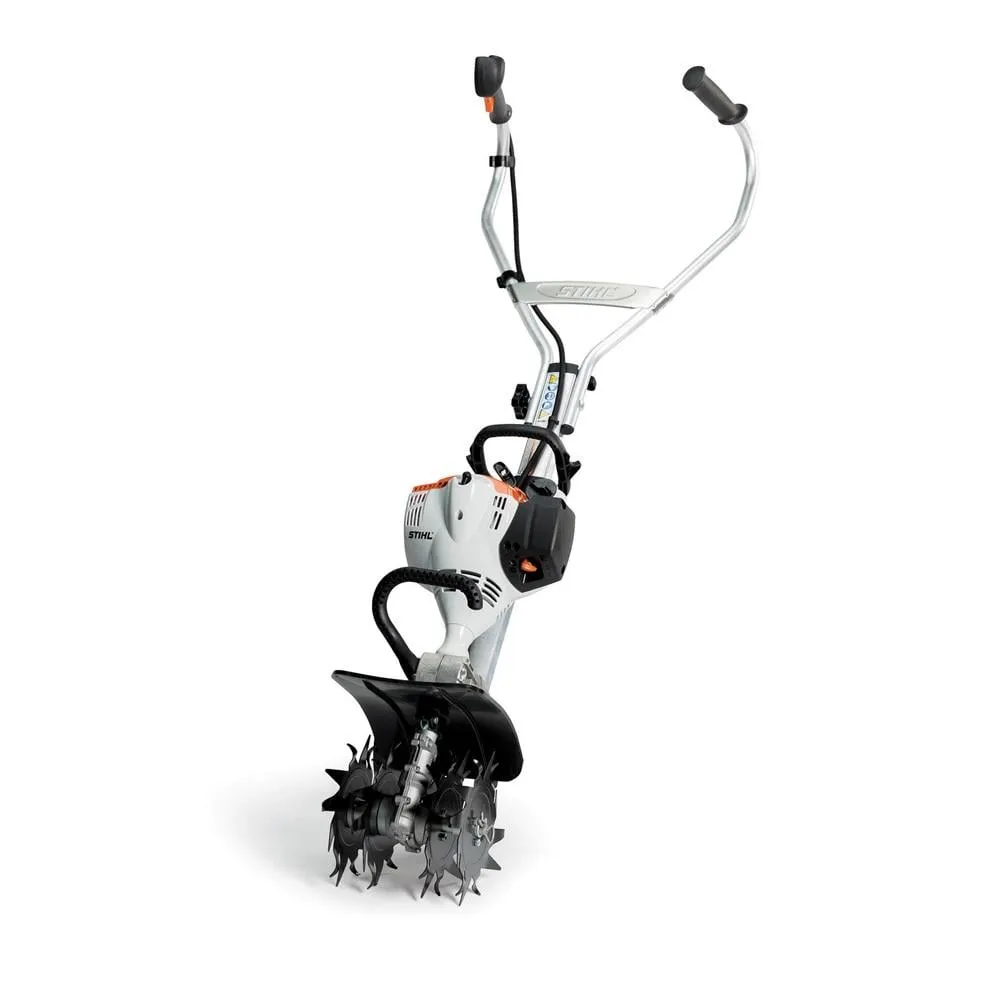
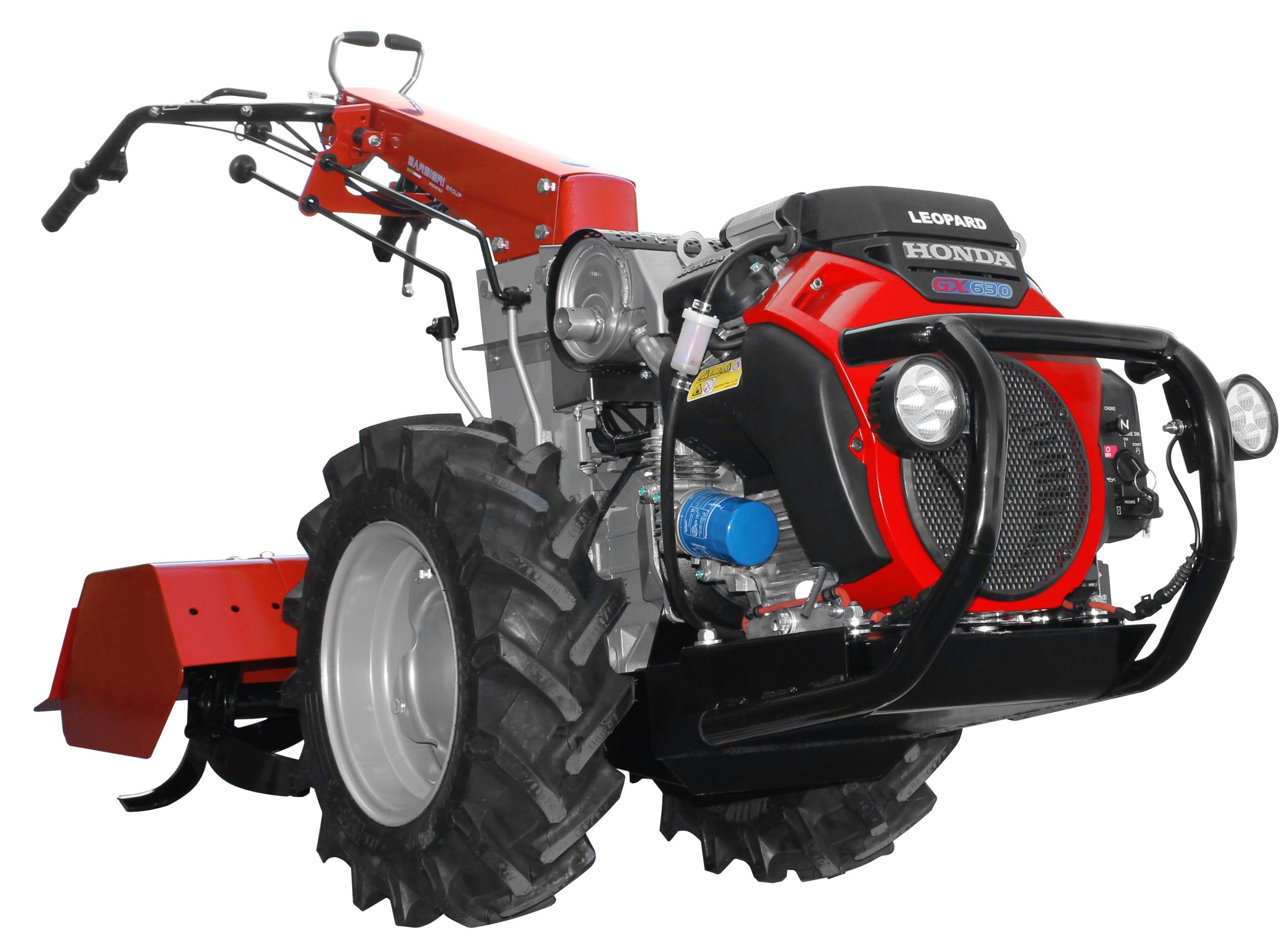
- Walk-Behind Tractors and Rototillers: A heavy walk-behind tractor or a Stihl tiller breaks hard-packed garden soil, mixes soil amendments, and prepares clean vegetable plots with consistent depth control.
- 14′ Dirt and Concrete Conveyor: When working in tight basements, raised terraces, or enclosed yards, a 14-foot conveyor shuttles heavy dirt, broken concrete, and aggregate fill over retaining walls and straight into dump beds without wheelbarrow runs.
Tree Care Rentals
How Do You Clear Heavy Overgrowth and Maintain Landscape Edges?
Clearing overgrown pastures, untamed fence rows, and commercial beds demands heavy-duty cutting equipment that goes beyond ordinary string trimmers and push mowers. When weeds, thick brush, and neglected briars take over, standard residential tools stall out or break their drive lines.
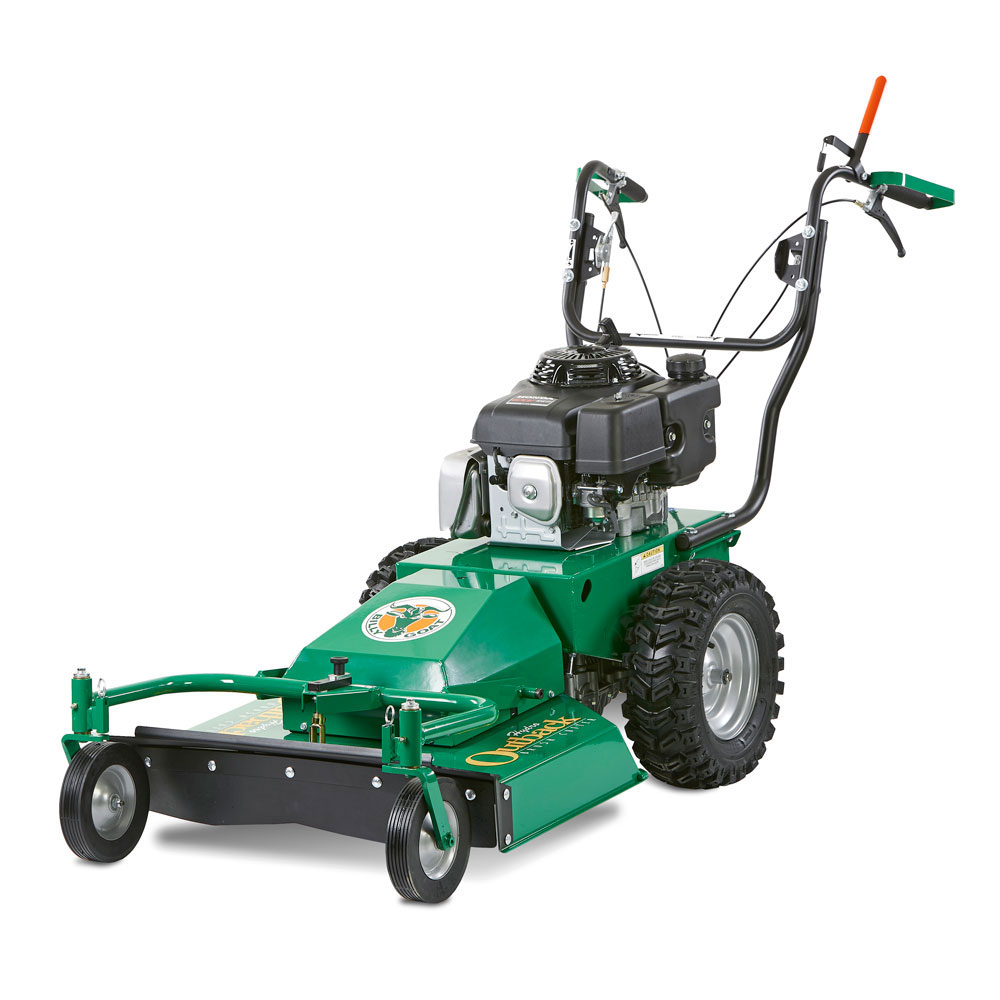
- Walk-Behind Brush Cutters: A walk-behind brush cutter powers through thick weeds, dense tallgrass, and saplings up to two inches thick, clearing neglected property lines and ditch banks where conventional mowers cannot go.
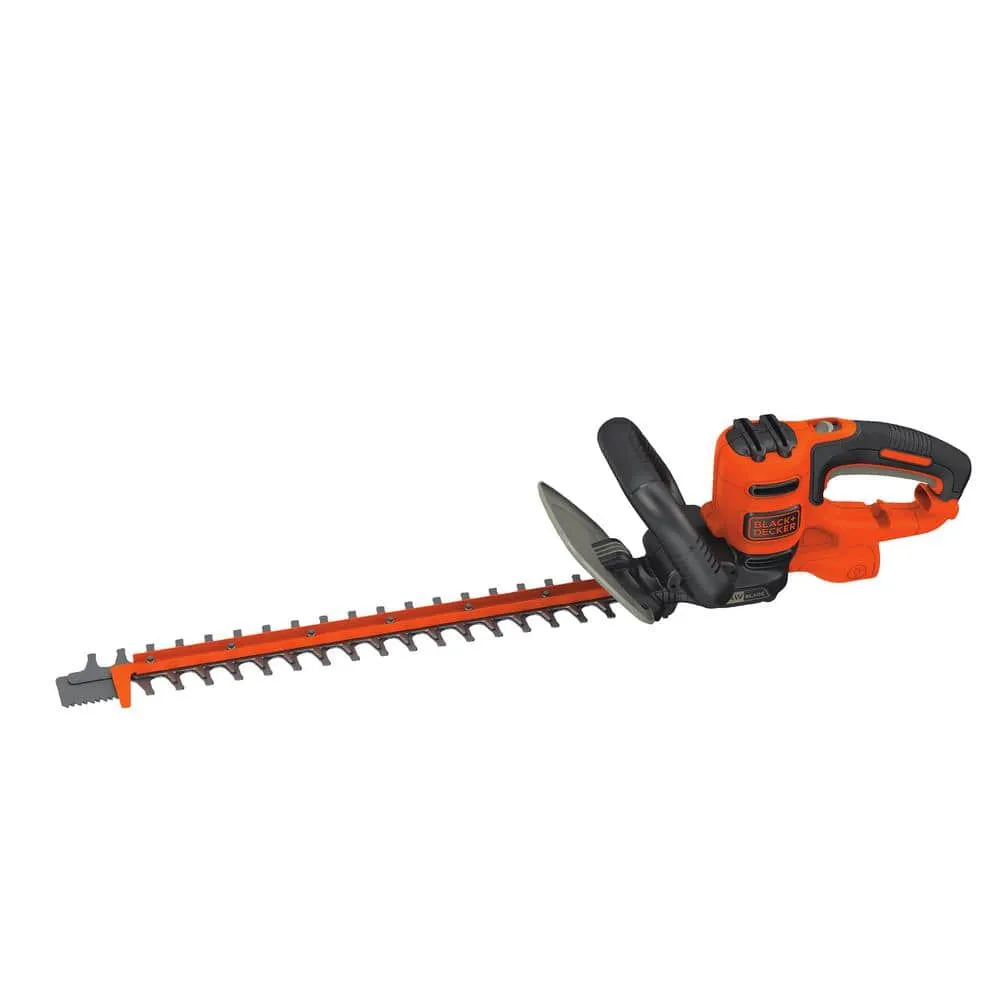
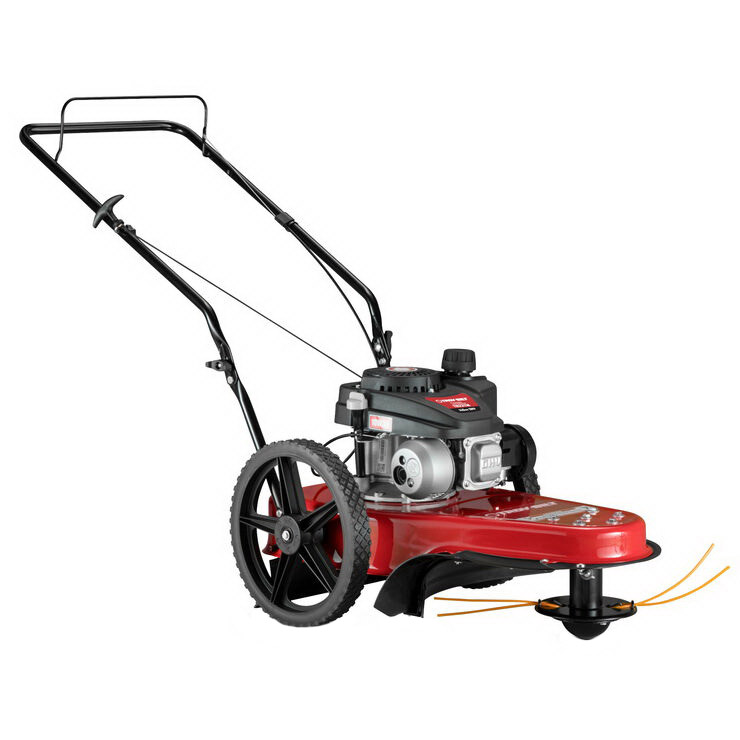
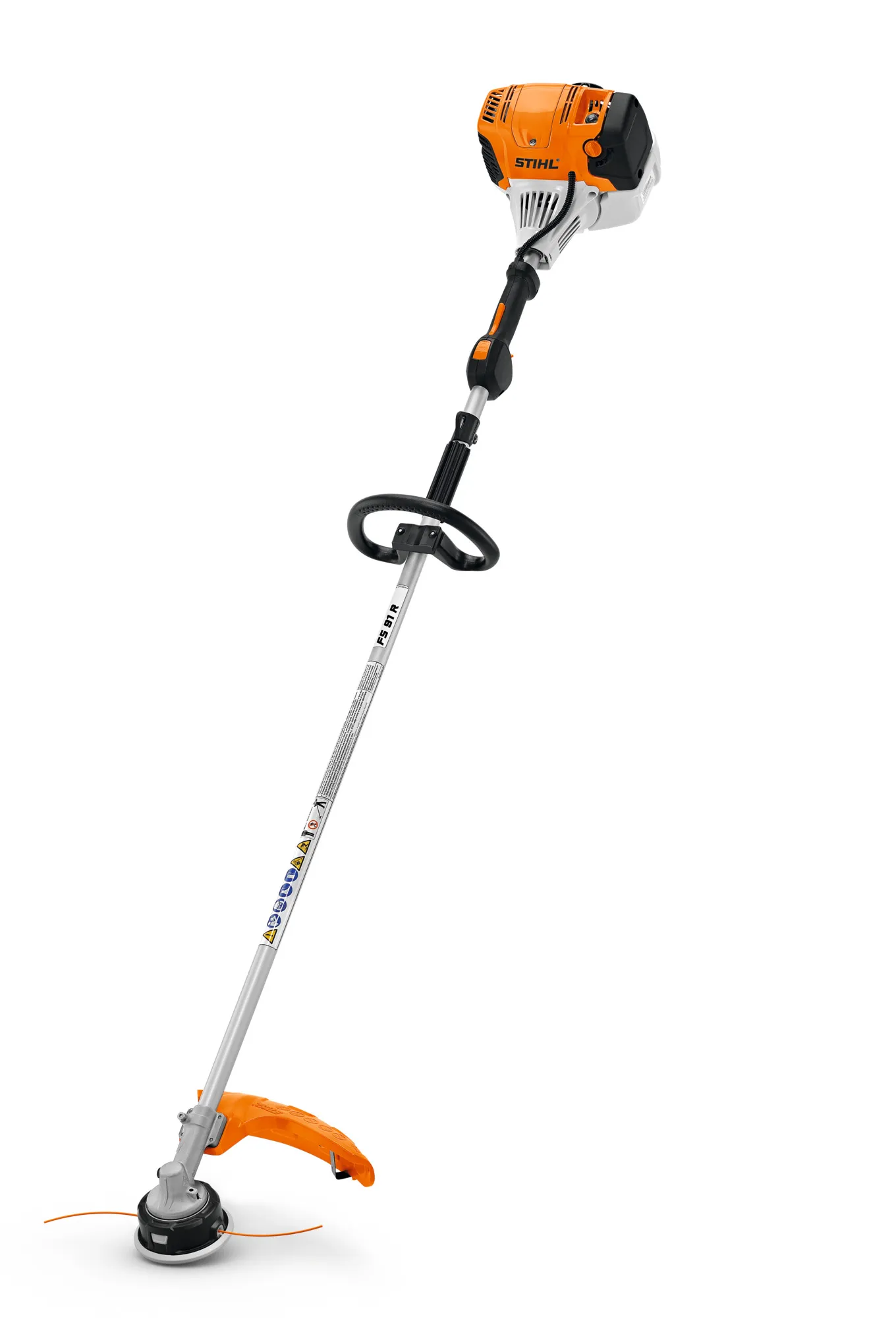
- Heavy-Duty Weed and Trimming Equipment: A walk-behind weed trimmer rolls on large pneumatic wheels, delivering the line power needed to clear along fence lines without stressing the operator’s back. For precise slope trimming, standard commercial weed trimmers and dedicated hedge trimmers prune brush lines and ornamental shrubs cleanly.
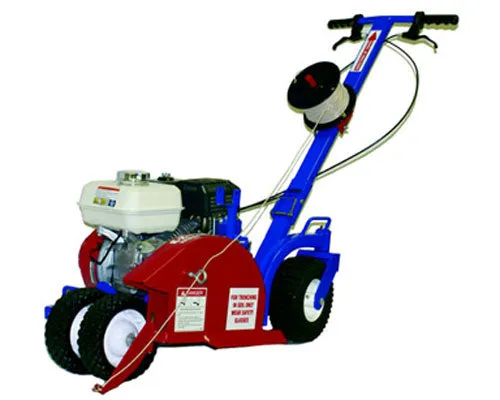
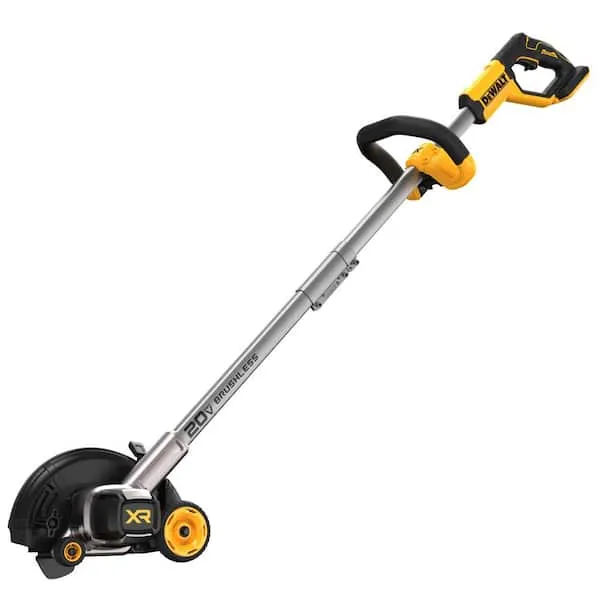
- Cable Layer and EZ Trench Landscape Edger: Clean borders give commercial properties a distinct look. The EZ Trench landscape edger cuts sharp landscape beds, while a cable layer installs invisible dog fencing, low-voltage landscape lighting wire, or irrigation drip lines in a single pass.
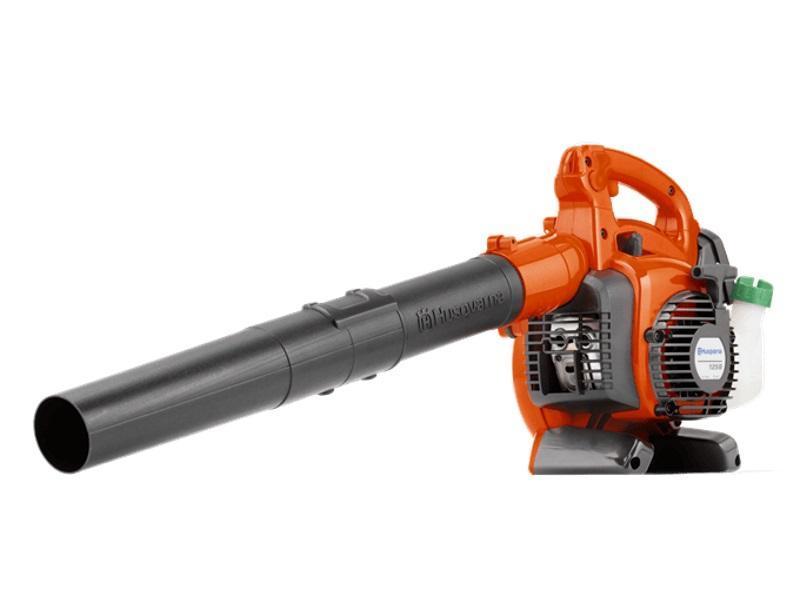
- High-Flow Leaf Blowers: High-velocity gas leaf blowers scour turf and parking lots, moving heavy autumn leaves, grass clumps, and aeration cores off hard surfaces in minutes.
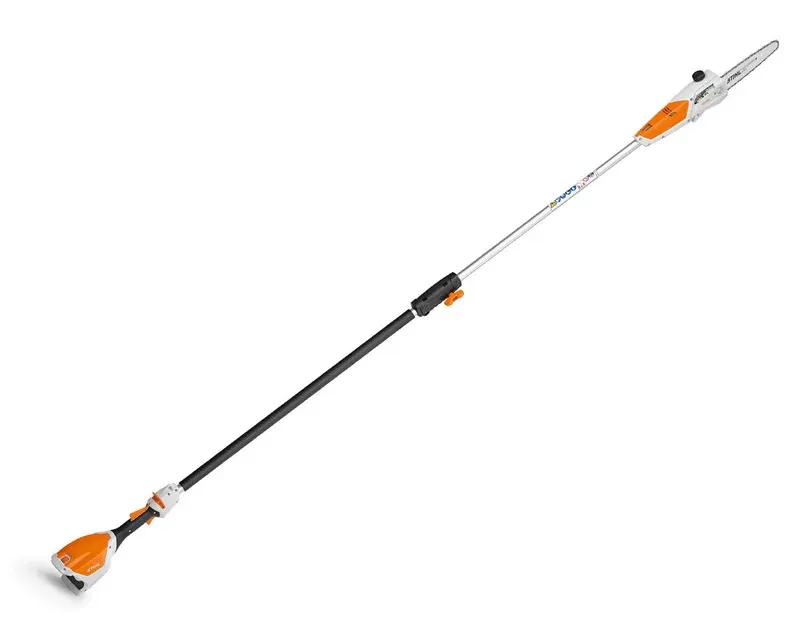
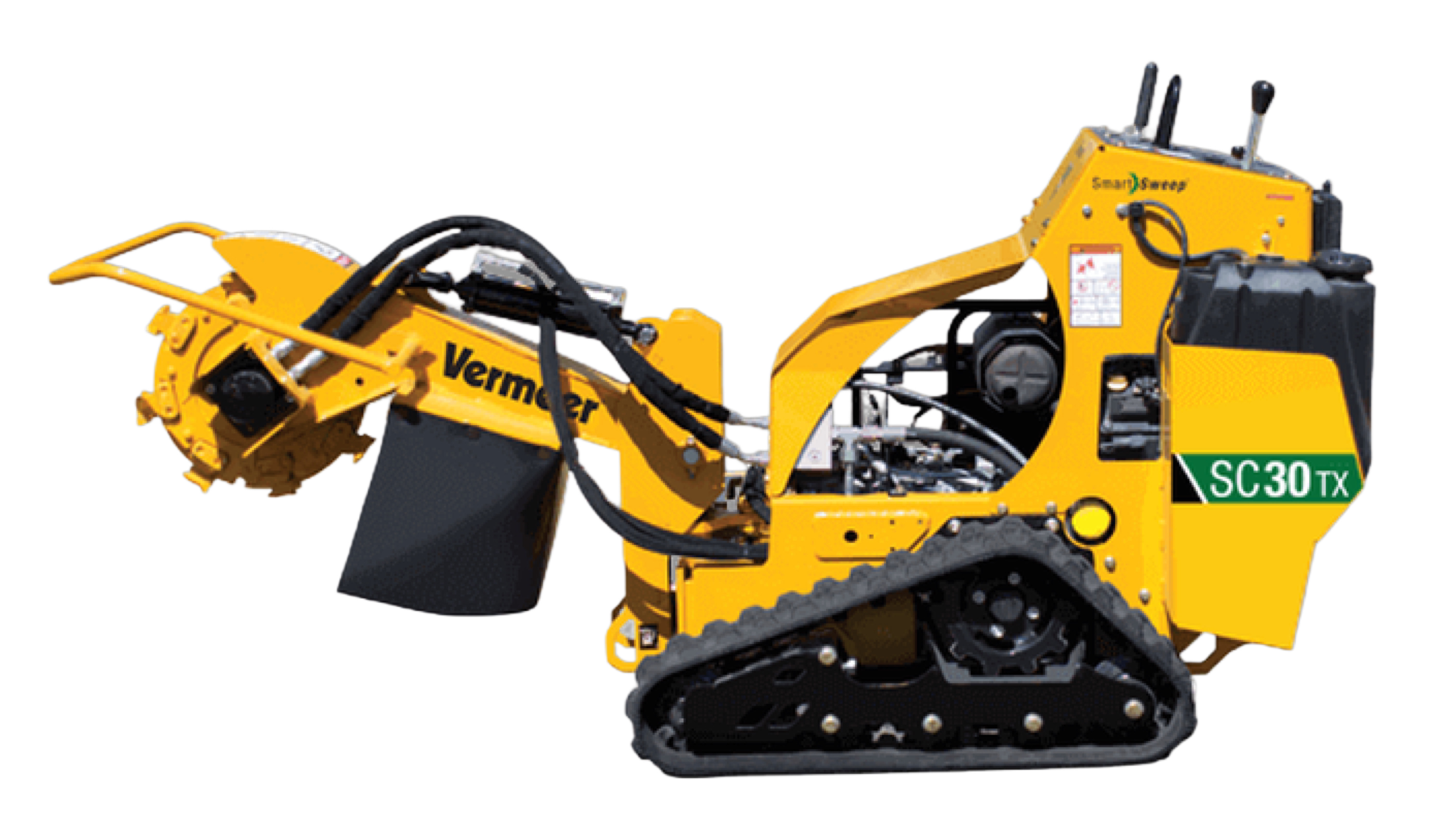
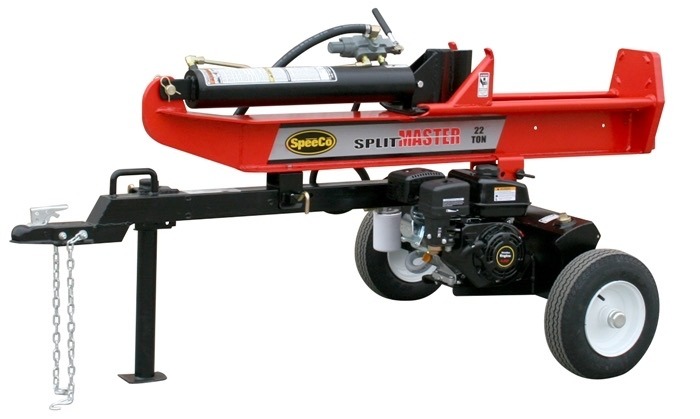
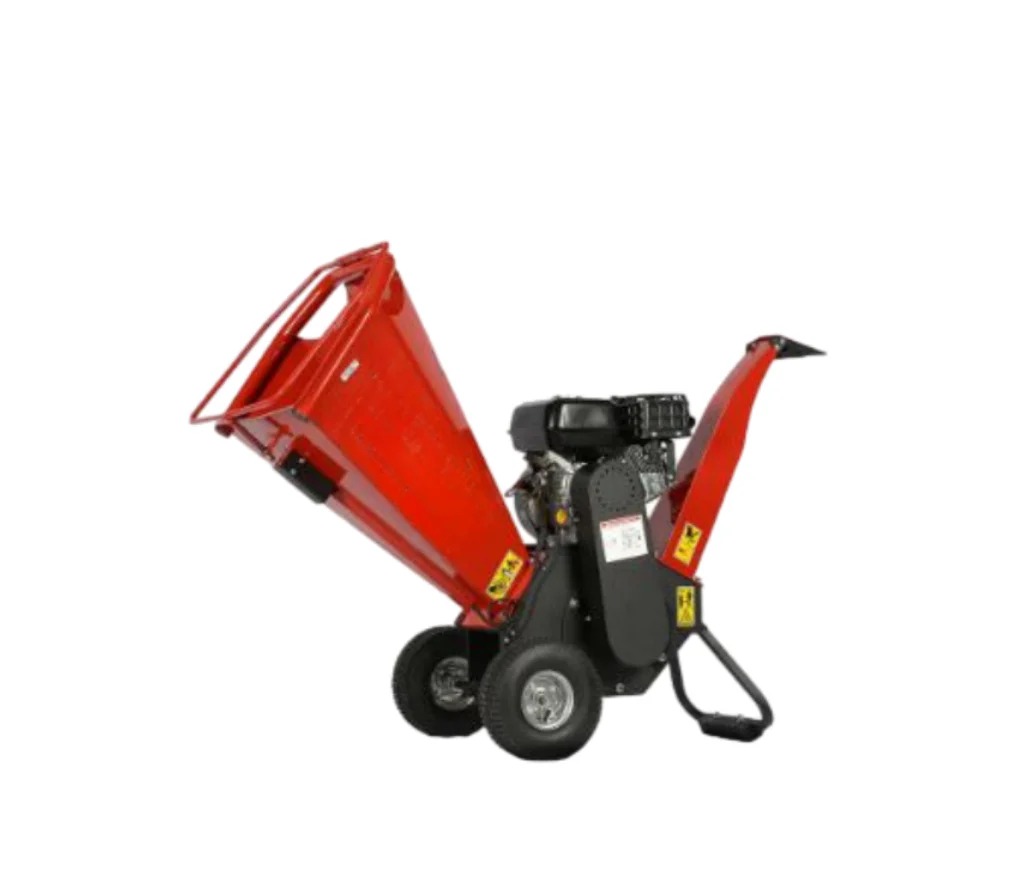
For larger land-clearing tasks involving fallen timber, branch pruning, or tree removal, browse our dedicated tree care rental equipment for stump grinders and brush handlers.
How Does Commercial Grounds Equipment Adapt to Winter and Hard Surface Maintenance?
Maintaining property operations year-round requires adapting turf tools to commercial surface clearing, debris cleanup, and snow removal. When winter hits Iowa, property managers face tight deadlines to keep entryways, sidewalks, and parking areas safe and clear.
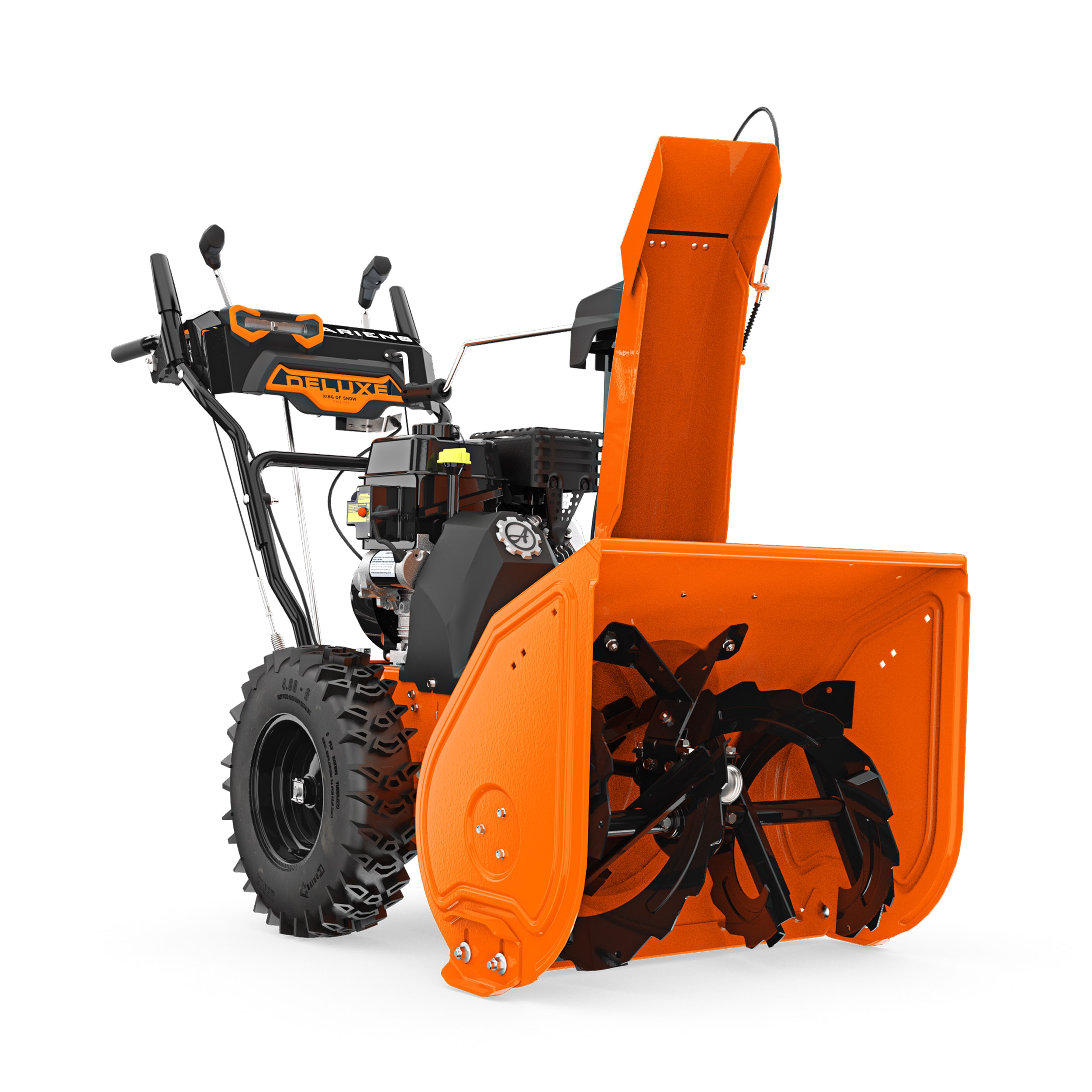
- Heavy-Duty Snow Blowers: An Ariens commercial snow blower cuts through heavy, frozen snowbanks and deep Midwest drifts, clearing public walkways, store entries, and commercial approaches cleanly.
- STIHL Power Brooms: A Stihl power broom uses stiff rubber or nylon paddles to sweep heavy snow from sidewalks without scratching decorative pavers. During spring cleanup, it acts as a high-powered sweep to clear winter gravel, road salt, and dead thatch out of curb lines and commercial turf edges.
Field maintenance walk-throughs and operating tips are updated continuously on our rental guide blogs.
Seasonal Equipment Selection Guide
Matching your project to the right seasonal equipment group helps you reserve the right machines before high-demand planting and cleanup periods begin.
| Project Category | Primary Equipment Models | Best Ground Surface | Target Project Goal |
| Turf Renovation | Walk-Behind Aerator, 30″ Ride-On Aerator, Overseeder | Established clay and loam lawns | Soil decompression, seed germination, thatch breakdown |
| Ground Preparation | Stihl Tiller, Walk-Behind Tractor, Sod Cutter | Bare dirt, established sod | Garden tilling, new beds, sod replacement |
| Earth Drilling | Little Beaver Digger, Towable Gas Auger (4″-10″) | Compact subsoil, root-heavy ground | Fence posts, deck piers, sign installations |
| Overgrowth Clearing | Walk-Behind Brush Cutter, Wheeled Trimmer | Overgrown pastures, rough easements | Tall weeds, thick brush, property boundary cleanup |
| Winter and Cleanup | Ariens Snow Blower, STIHL Power Broom, Gas Blower | Sidewalks, asphalt lots, turf borders | Snow removal, gravel sweep, leaf clearing |
Equipment Delivery and Fleet Support Across South Iowa
Corning Rental, Sales, & Service stands as South Iowa’s largest full-line equipment rental provider, serving regional contractors and property owners for more than 25 years. With four store locations in Corning, Shenandoah, Glenwood, and Osceola, our yards keep turf, construction, and property tools readily available when your project window opens.
Our semi-truck fleet hauls equipment directly to your property within a 250-mile radius of each location. This logistical support reaches customers across Southern Iowa, Eastern Nebraska, and Northern Missouri, including Omaha, Council Bluffs, Des Moines, and Kansas City.
Every rental machine undergoes complete servicing, blade sharpening, and engine checks by our mechanics before it leaves our yard. In addition, our transport drivers provide on-site machine overviews upon delivery, ensuring you understand throttle controls, depth adjustments, and safety switches before starting work.
Browse equipment specifications, check availability, and reserve your machinery online 24/7, or call your nearest Corning Rental branch to speak with an equipment consultant.
Frequently Asked Questions
When is the best time of year to aerate and overseed a lawn in Iowa?
The best window for aerating and overseeding cool-season lawns in Iowa runs from late August through late September. Soil temperatures remain warm enough to promote fast seed germination, while cooler fall air and regular moisture reduce heat stress on young grass shoots. Early spring aeration serves as a solid alternative if soil became heavily compacted over winter.
Can a towable gas auger be operated by a single person?
Yes, a towable gas auger is specifically engineered for single-person operation. The rigid trailer frame absorbs rotational torque through the wheels and tow arm, preventing torque kickback to the operator’s arms while drilling through packed clay and roots.
What is the difference between a lawn aerator and a power rake?
A lawn aerator uses hollow metal tines to extract soil cores directly from the lawn to alleviate compaction and allow water to reach root systems. A power rake uses rotating steel flails that comb through the grass horizontally to pull up accumulated thatch, dead grass, and moss without digging into the subgrade.
How far does Corning Rental deliver turf and garden equipment?
Corning Rental delivers equipment within a 250-mile radius from its four Iowa locations in Corning, Shenandoah, Glenwood, and Osceola. This delivery footprint covers clients across South Iowa, Eastern Nebraska (including Omaha and Council Bluffs), and Northern Missouri.
Do I need to clean rented lawn and garden equipment before returning it?
Equipment should be returned reasonably free of excessive caked mud, grass build-up, and job-site debris, with fluid levels checked. Returning equipment reasonably clean avoids cleanup surcharges and allows our mechanics to complete post-rental inspections and maintenance quickly.